
- All
- Product Name
- Product Keyword
- Product Model
- Product Summary
- Product Description
- Multi Field Search

Specialized in PE, PVC, TPE, TPU and Low Smoke Zero Halogen (LSZH) wire and cable compound and materials.
In high-rise buildings, subway tunnels, new energy power stations and industrial complex scenarios, the fire safety of wires and cables is directly related to life and property and system reliability.
YINSU Flame Retardant Company provides customized flame retardant solutions for global customers, covering PE (polyethylene), PVC (polyvinyl chloride), TPE (thermoplastic elastomer), TPU (thermoplastic polyurethane) and LSZH (low smoke and halogen free) wire and cable systems to meet all safety requirements, ranging from UL94 V-0 flame retardant certification to EN 45545 fire protection for rail transportation and IEC 60754 low smoke and halogen free toxicity. All-round safety requirements.
Material Common Use Typical FR Type YINSU Flame Retardant Item No.
PE HDPE, LDPE, LLDPE, Red phosphorus, halogen free FR, PRP-950X, PE-XT-20, B-HFFR, MCA-B, WADP-10
Cross-linked PE cables, Bromine antimony masterbatch FR-ML-01, K100
Plastic insulated cables.
PVC PVC &Plastic insulated power cables, ATO alternatives T3, T30, FRP-950X, K100, ZHS, ZS, ZSB-A
Aluminum stranded wires, Zinc stannate
Prefabricated branch cables.
TPE Insulated wires, flexible cables Organic phosphorus MCA-B, WADP-10, FRP-950X, 95-MC
Shielded insulated cables
TPU Special purpose cables Organic phosphorus MCA-B, WADP-10, FRP-950X, 95-MC
Power cables for frequency converters.
Others Welcome to consult more details.


Sulfur prices have surged 187% year-over-year, with solid sulfur in East China rising from 2,394 yuan per metric ton in 2025 to 6,871 yuan per metric ton in 2026. This week, the mainstream granular sulfur price at Chinese ports stood at 8,750 yuan per metric ton, down 300 yuan per metric ton from last week—a 3.31% decline. Nationwide port inventories stand at 878,400 metric tons. Although this represents a 5.25% increase from the previous week, it remains more than 63% lower year-over-year and is at a near-decade low. The global supply shortfall is approximately 5.13 million metric tons, with imports far below normal levels. Prices for phosphorus-based flame retardants, such as red phosphorus and ammonium polyphosphate, are prone to rise but not fall due to cost pass-through from sulfur. Coupled with successive price increases for bromine and antimony, the overall cost pressure on the flame retardant industry continues to climb.

The current downturn in the melamine market provides a short-term cost advantage for downstream flame retardant manufacturers, but concurrent weakness on the demand side may partially offset this benefit. Companies are advised to take advantage of the current raw material price window to optimize their procurement strategies, while closely monitoring the pace of demand recovery in end-user industries such as building materials and cables.

The manufacturing process for ceramicized silicone rubber cables encompasses three core stages: vulcanization, extrusion, and curing. Temperature control, mold selection, and curing parameters at each stage directly impact the fire resistance and quality consistency of the finished product. This article systematically outlines the key process considerations and practical parameters for the production of ceramicized silicone rubber cables, providing cable engineers with a practical process guide to help avoid common issues such as rough extrusion surfaces and air bubbles.

After falling nearly 20% from its monthly average, the price of yellow phosphorus rebounded to 27,000 yuan per metric ton; costs for phosphorus-based flame retardants, which had just seen some relief, are now facing upward pressure again. Environmental inspections in Guizhou may lead to tighter supply, and the window for downstream procurement is narrowing.
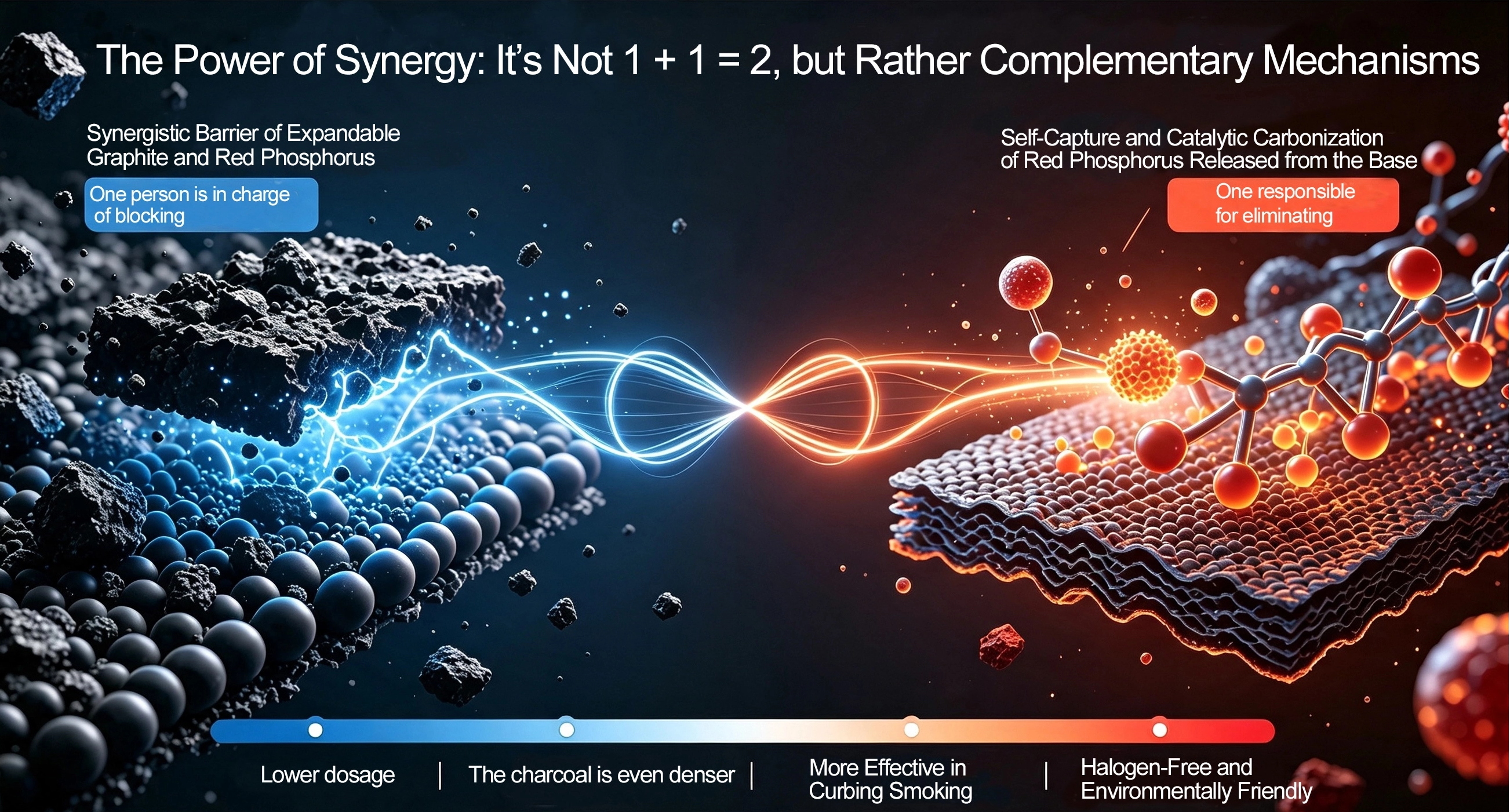
When the physical barrier provided by expandable graphite meets the chemical flame retardancy of red phosphorus, rubber flame retardancy finally breaks free from its “reliance on halogens” and moves toward “high-efficiency synergy.”

